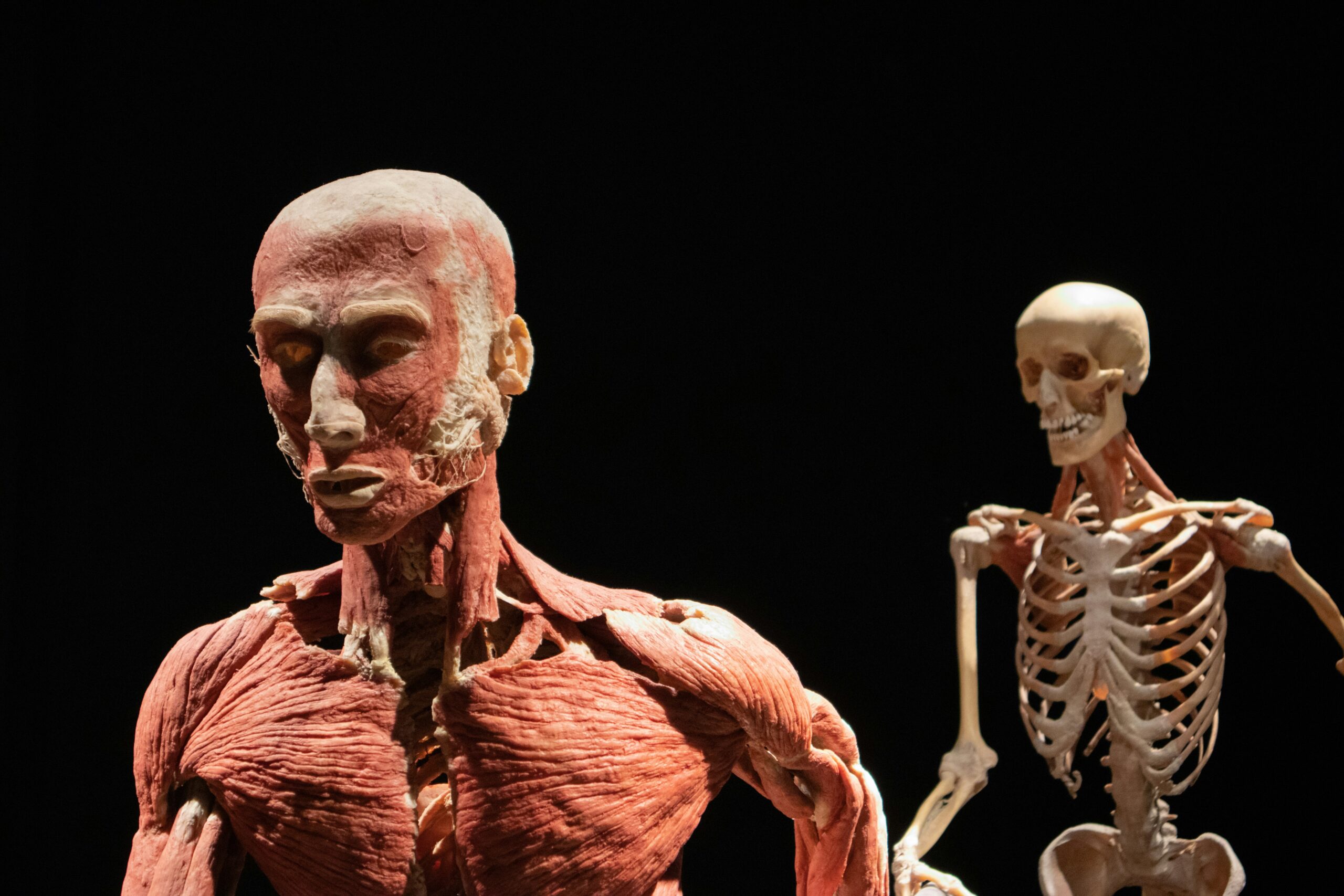
Whole-Body Donation Declines Amid Rising Demand for Medical Research and Education
As medical research advances and demand for hands-on training grows, experts are raising concerns over a quiet but critical issue: the declining rates of whole-body donation for scientific study.
While organ donation remains widely supported and promoted through national registries, whole-body donation—vital for medical education and research—has seen decreased participation in recent years. This decline comes despite ongoing shortages of cadavers needed for training future healthcare professionals and advancing disease research.
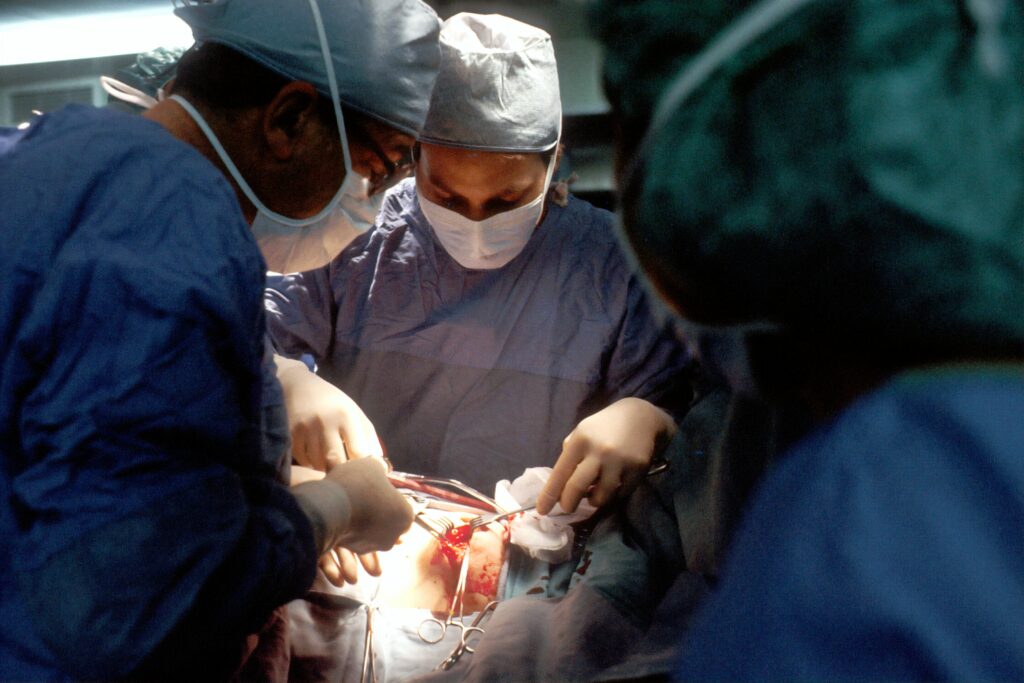
According to the National Library of Medicine, medical schools and research institutions across the country face an acute shortage of donated bodies. Cadavers play an essential role in teaching anatomy to undergraduate and medical students, supporting postgraduate education, and facilitating research into conditions such as Alzheimer’s disease, cancer, heart disease, diabetes, and Parkinson’s.
“There is no substitute for human tissue when studying the human body,” states a spokesperson from the Physicians Committee for Responsible Medicine (PCRM). The organization, known for its focus on ethical research practices, highlights that breakthroughs in understanding disease progression and treatment often rely on body, organ, and tissue donations.
In addition to research, whole-body donation allows medical students and healthcare professionals to develop a comprehensive understanding of human anatomy and to refine surgical techniques—skills that directly impact patient care.
Despite its importance, several factors contribute to public hesitation. High-profile cases, such as George Washington University’s admission that it lost the identities of 50 donated bodies, have damaged trust. Reports of “body farms” profiting from donations under questionable practices have further fueled skepticism.
Unlike organ donation, which is managed through a coordinated national system, whole-body donation in the U.S. lacks a unified process. Prospective donors must register with state anatomical boards, universities, or private programs, depending on location. While many programs cover transportation and cremation costs, eligibility can vary, and families are advised to prepare alternative plans in case a donation is declined at the time of death.
Public misunderstanding also plays a role. The organ donor designation on a driver’s license does not extend to whole-body donation. Separate registration is required, and both processes are time-sensitive, requiring clear communication with loved ones.
In some states, such as Florida, Texas, Maryland, and Illinois, centralized anatomical boards facilitate donations. In others, individuals must contact institutions directly to arrange participation in donation programs.
Despite these challenges, organizations continue to emphasize the societal value of whole-body donation. Beyond medical education, recent research initiatives—including those led by PCRM—have used human-based studies to explore non-invasive treatments for conditions ranging from cardiovascular disease to migraines, demonstrating the broad impact of such contributions.
Experts note that increased transparency, public education, and standardized procedures could help rebuild trust and encourage participation.
As the healthcare field continues to evolve, the need for voluntary whole-body donation remains critical. Without it, both scientific progress and medical training risk falling behind.
For those considering whole-body donation, early registration and family discussions are key steps in ensuring wishes are honored and the process proceeds smoothly.