The Truth Behind Cremations: A Look at David Sconce’s Scandal and the Hidden Realities of Ashes and Profit
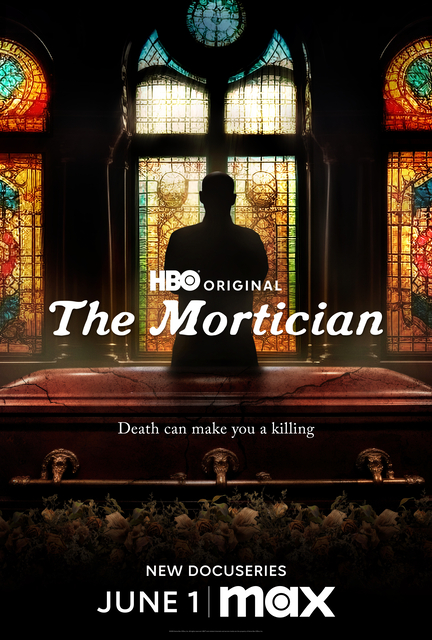
David Sconce’s name leaves lasting stain on the funeral industry. In HBO’s The Mortician, a three-part documentary series premiering June 1, Sconce’s shocking story unfolds—a tale of profit, deceit, and the murky ethics surrounding the cremation process. The horrors also lay in what he revealed about an industry that operates mostly in silence.

David Sconce ’s Scandal
In the 1980s, Sconce ran a cremation business under his family’s funeral home, Lamb Funeral Home, in Pasadena, California. He was eventually caught, convicted, and served time for mishandling human remains, but it wasn’t just the criminal activities he was involved in that should have raised eyebrows—it was the systemic issues he exposed about the cremation process itself.
Sconce’s crime was not unique in its grisly nature—he was caught mixing remains, robbing bodies of valuables like gold fillings, and running his cremation process with shocking disregard for both legal and ethical standards. But what makes Sconce’s actions more than just a horror story is his lack of remorse. He is unapologetic, even stating that mixing ashes wasn’t a big deal. “People just need to be more in control of their emotions. That’s not your loved one anymore, and it never has been,” he said.
But, like it or not, there’s a grim truth that Sconce is actually exposing: the cremation process—at least the way it has traditionally been carried out—has long included comingling of ashes, a practice that goes largely unacknowledged, even if it technically follows legal and industry guidelines. While Sconce’s actions were criminal, his claims shed light on a practice that many in the industry will not acknowledge to the public.
The Reality of Cremation: Is There Really Such a Thing as “Pure” Ashes?
In the documentary, former employees describe an atmosphere of chaos and greed, where bodies were stacked like firewood, cremated in bulk, and then mixed together, never to be fully separated again. The fact that this was happening in the 1980s and beyond is disturbing and also brings into question how much of the cremation process has truly changed since then. If crematories can’t fully clean ovens between cremations, how often are remains completely isolated? And if the ashes of multiple bodies are being mixed, does that diminish the sanctity of the process?
People who carried out cremations for Sconce recall the red flags they noticed while working for him. Former employees described stripping clothes off of bodies to sell and cutting off body parts to get jewelry to sell. There were running competitions among the employees to see who could fit the most bodies in the oven. Andre Augustine, who worked for Sconce, claims that Sconce’s former employees didn’t know which remains to put in which box. Clients would get the remains of not only their loved one, but also the remains of other bodies.
Sconce’s ex-wife Barbara Hunt says her husband was secretive about the cremation business, and claims that she only learned what he was doing from news coverage. But, she recalls, once she saw Sconce sitting on the floor of the garage cracking teeth with a hammer and putting the gold in a styrofoam cup that said “Au,” the chemical symbol for gold.
“He sold the gold,” Hunt says. “I just sat there thinking, what world am I in?”
Sconce openly talks about cremating multiple bodies at once in the series with no sense of shame. As the series shows, he used to drive a corvette with the license plate “I BRN 4U.”
He argues that because crematories can never clean the ovens of every speck of ash before they put another body into the oven, it justifies what he did. “Comingling of ash is not a big deal. I don’t put any value in anybody after they’re gone and dead. They shouldn’t when I’m gone and dead. That’s not a person anymore.”
He said that most families signed up for Sconce to scatter their cremated relatives at sea, with no relatives in attendance, so he doesn’t see why anyone would care if the ashes he scattered at sea came from one body or multiple bodies.
When asked how he felt about delivering families the cremated remains of multiple people, he said, “There’s no difference in anybody’s cremated ash…people just got to be more in control of their emotions. That’s not your loved one anymore, and it never has been. Love them when they’re here. Period.”
What Sconce is really laying bare is a truth that’s uncomfortable to confront: when it comes to cremation, the system doesn’t have a clear, universally enforced standard for keeping ashes completely separate. Crematories are simply not designed to guarantee that the ashes returned to a family belong exclusively to their loved one. In Sconce’s case, it was about speed and profit, but in the industry at large, it could be about convenience or greed.
The Larger Implication: A Systemic Issue
Sconce’s crime—taking teeth for gold, mixing ashes, and treating human remains as just another way to make money—is undeniably horrific. But the fallout from his actions may serve a larger purpose: it brings into focus the need for greater oversight and transparency within the funeral industry. The changes to regulations following Sconce’s conviction were important, including laws that made it a felony to steal dental gold and required unannounced inspections of crematories. But the real question is: How much has changed? How many crematories today still engage in the practice of mixing ashes, not as an act of greed, but simply because it’s more efficient?

David Sconce in HBO’s The Mortician documentary 3-part series